
About Eastmallbuy Spreadsheet
Click the images below to browse!
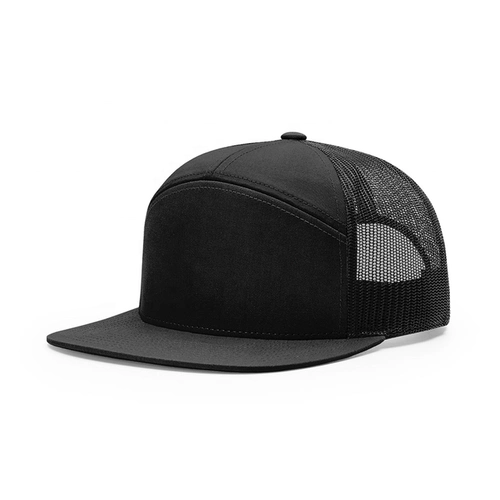
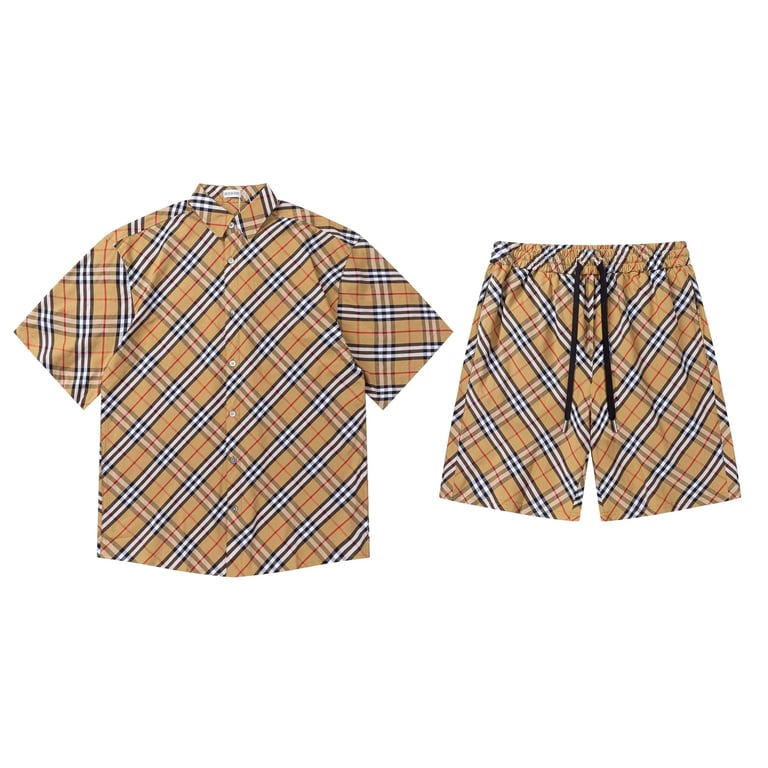
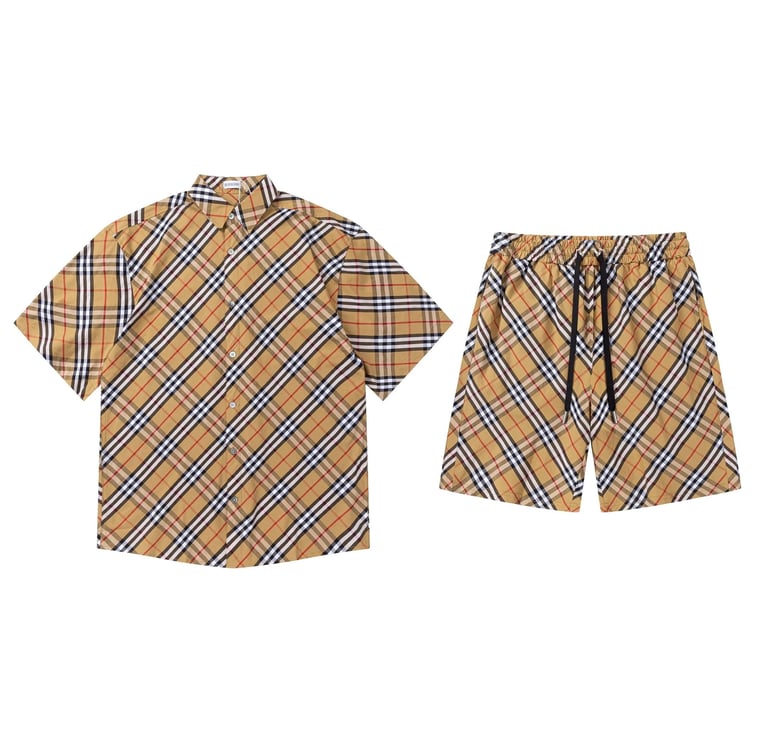
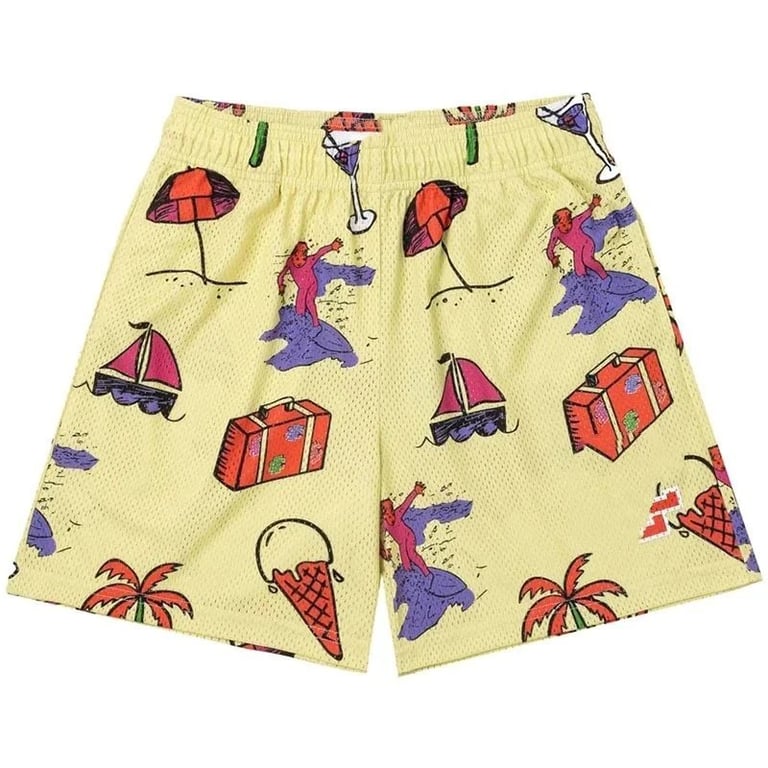
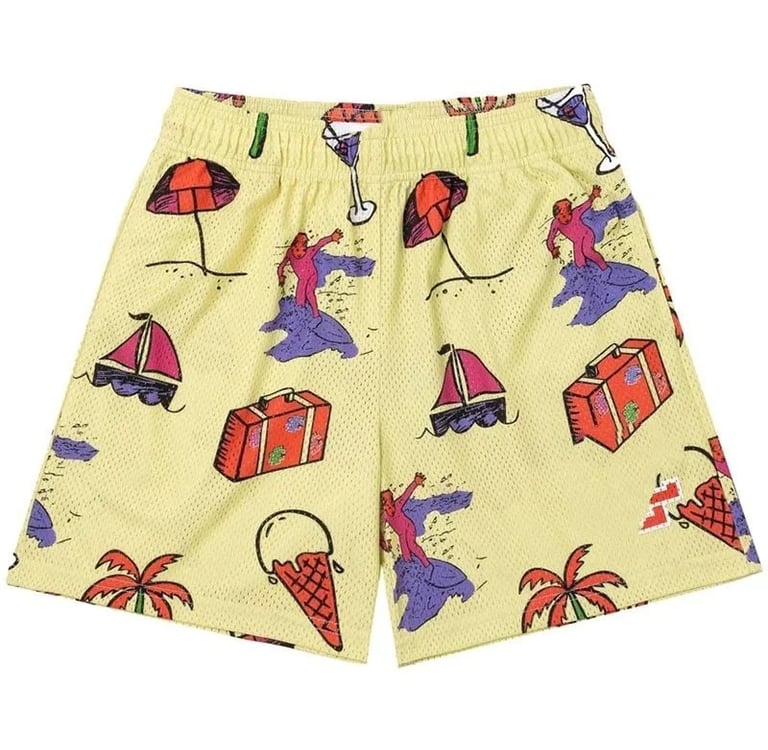
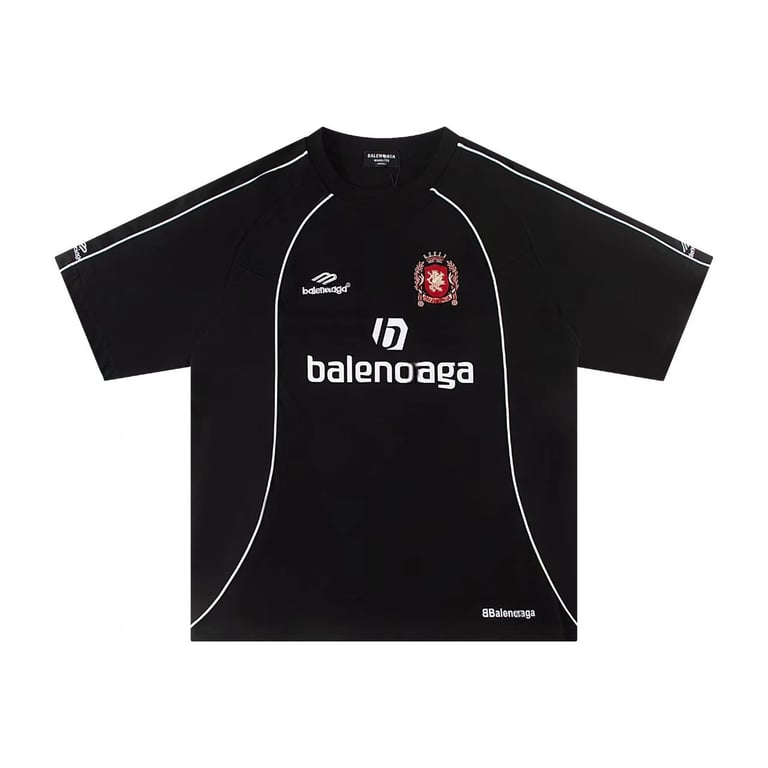
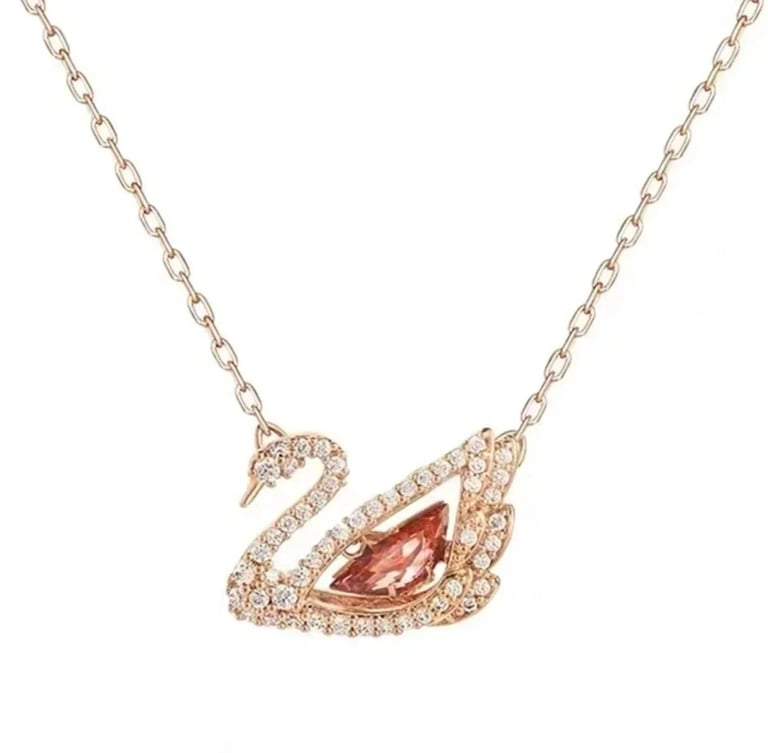
🌐 How Eastmallbuy spreadsheet improves user navigation in cross-border shopping systems|search behavior + browsing patterns + UX flow design
🧭 Introduction
Cross-border shopping systems are undergoing a structural shift in how users interact with product information. Traditional keyword-based search models are gradually becoming less effective as product ecosystems expand across multiple suppliers, platforms, and formats. In response, users are increasingly relying on structured browsing environments that reduce dependence on free-form search queries.
The Eastmallbuy spreadsheet plays a key role in this transition by acting as a structured navigation interface for cross-border ecommerce systems. It organizes fragmented product data into navigable frameworks that align with modern browsing behavior. In addition, Eastmallbuy links provide direct access to categorized product entry points, supporting more stable interaction flows.
This reflects a broader transformation in how users discover and evaluate products online.
🔎 Shift 1: from keyword search to structured browsing behavior
User search behavior is evolving away from isolated keyword input toward structured browsing logic. Instead of repeatedly refining search terms, users now prefer systems that present pre-organized product groups.
This shift is driven by:
Increased product volume across cross-border platforms
Lower tolerance for irrelevant search results
Need for faster comparison between similar items
Growing preference for visual and grouped exploration
The Eastmallbuy spreadsheet supports this shift by replacing repetitive keyword dependency with structured entry points that guide users directly into relevant product clusters.
📂 Shift 2: browsing patterns moving toward catalog-based consumption
Browsing behavior is increasingly resembling catalog-based consumption, where users explore structured collections rather than individual listings.
Key characteristics of this shift include:
Sequential exploration within predefined groups
Reduced reliance on open-ended search behavior
Increased focus on category-driven navigation
Preference for curated product environments
The Eastmallbuy spreadsheet organizes products into layered structures that mimic catalog logic, allowing users to browse within defined pathways instead of navigating unstructured databases.
⚙️ UX flow design and decision path reduction
Modern UX design in ecommerce is increasingly focused on reducing the number of steps required to reach a decision. The more fragmented the flow, the higher the likelihood of user drop-off.
Effective UX flow optimization includes:
Minimizing transitions between search and comparison stages
Reducing repeated filtering and backtracking
Maintaining consistent context during browsing
Streamlining progression from discovery to selection
The Eastmallbuy spreadsheet supports these goals by keeping related products within a unified environment, allowing users to evaluate options without breaking their browsing flow.
🧩 Spreadsheet as a new-generation shopping entry structure
As ecommerce systems evolve, entry points are no longer limited to search bars or homepage categories. Instead, structured datasets are becoming primary access layers for product discovery.
The Eastmallbuy spreadsheet functions as a new type of entry structure by:
Pre-organizing products into comparison-ready clusters
Replacing random search initiation with guided navigation
Creating structured pathways across multiple suppliers
Supporting non-linear but controlled browsing journeys
This transforms the spreadsheet from a data tool into a functional navigation layer within the shopping ecosystem.
📊 Digital consumption evolution and UX trend direction
Digital consumption behavior is shifting toward systems that reduce cognitive load and improve decision efficiency. Users increasingly expect platforms to interpret, structure, and filter information before interaction begins.
Key trends include:
Movement from search-driven to structure-driven discovery
Growing reliance on pre-organized product ecosystems
Demand for reduced decision complexity in UX design
Preference for guided rather than exploratory navigation
The Eastmallbuy spreadsheet reflects this trend by embedding structure into the earliest stage of product discovery, aligning system design with evolving user expectations.
🧾 Conclusion
The evolution of cross-border ecommerce navigation is not simply about improving search accuracy, but about redefining how users enter and move through product ecosystems. As browsing behavior becomes more structured, the importance of pre-organized navigation layers increases significantly.
The Eastmallbuy spreadsheet represents this shift by embedding structure directly into the discovery process, allowing users to engage with products through guided pathways rather than isolated search actions. Instead of reacting to user queries, it anticipates browsing logic by presenting organized environments where movement between options feels continuous and intentional.
In this context, navigation is no longer a tool for finding products, but a framework that shapes how users think, compare, and progress through digital shopping systems.